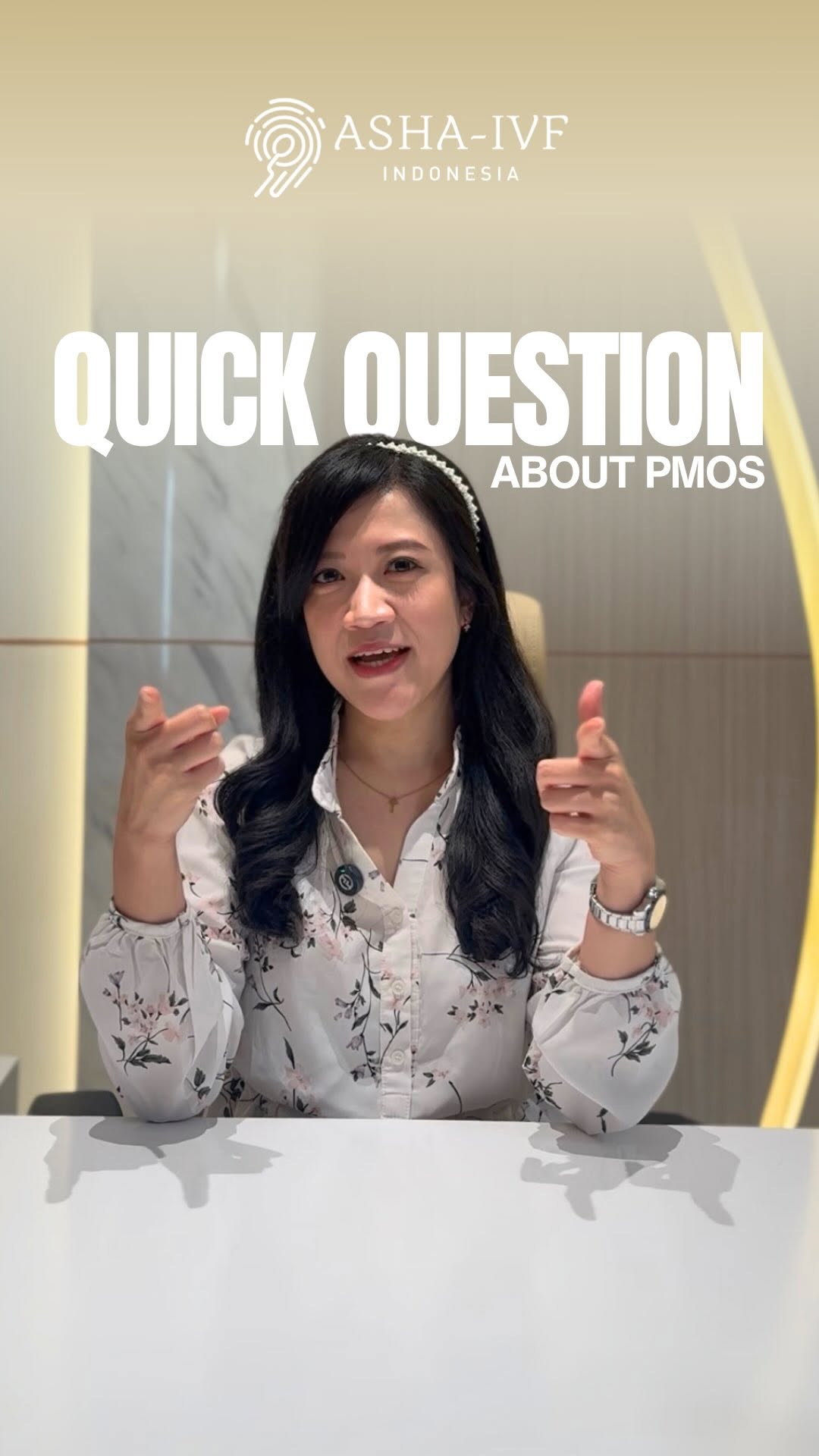
PCOS dan PMOS: Apakah Masih Bisa Hamil secara Alami? PCOS and PMOS: Can You Still Get Pregnant Naturally?

PCOS dan PMOS sering menimbulkan kekhawatiran soal kehamilan. Pelajari apa itu PCOS/PMOS, dampaknya pada kesuburan, dan pilihan program hamil yang tersedia.PCOS and PMOS raise many questions about fertility. Learn what these conditions mean, how they affect conception, and what treatment options can help you get pregnant.

PCOS dan PMOS: Apakah Masih Bisa Hamil secara Alami?

PCOS dan PMOS: Kondisi yang Sering Disalahpahami

Banyak perempuan yang baru mendengar istilah PCOS (Polycystic Ovary Syndrome) atau PMOS (Polycystic Morphology Ovary Syndrome) langsung merasa cemas tentang peluang mereka untuk hamil. Wajar sekali jika pertanyaan itu muncul, karena kedua kondisi ini memang berkaitan erat dengan siklus ovulasi dan kesuburan. Namun, penting untuk memahami bahwa diagnosis PCOS atau PMOS bukan berarti kehamilan mustahil terjadi.

Apa Perbedaan PCOS dan PMOS?

PCOS adalah gangguan hormonal yang ditandai oleh tiga hal utama: siklus menstruasi yang tidak teratur, kadar hormon androgen yang lebih tinggi dari normal, serta gambaran ovarium polikistik pada pemeriksaan USG. Kondisi ini juga sering disertai resistensi insulin yang memengaruhi metabolisme tubuh secara keseluruhan.

PMOS, di sisi lain, merujuk pada tampilan morfologi ovarium yang memiliki banyak folikel kecil saat dilihat melalui USG, tanpa disertai gejala hormonal atau klinis seperti pada PCOS. Dengan kata lain, seseorang bisa memiliki gambaran ovarium polikistik di USG tetapi siklus haidnya teratur dan kadar hormonnya normal — kondisi inilah yang disebut PMOS.

Bagaimana Dampaknya terhadap Kesuburan?

Pada PCOS, gangguan ovulasi menjadi tantangan utama. Ketika ovulasi tidak terjadi secara teratur, sel telur yang matang tidak dilepaskan pada waktu yang tepat, sehingga peluang pembuahan alami berkurang. Namun, ovarium tetap menghasilkan folikel — artinya potensi sel telur masih ada.

Pada PMOS, dampaknya terhadap kesuburan umumnya lebih ringan. Banyak perempuan dengan PMOS dapat hamil secara alami karena fungsi ovulasi mereka tidak terganggu secara signifikan. Meski demikian, evaluasi menyeluruh tetap diperlukan untuk memastikan tidak ada faktor lain yang memengaruhi kesuburan.

Pilihan Penanganan untuk Program Hamil

Kabar baiknya, ada berbagai pendekatan yang dapat membantu perempuan dengan PCOS maupun PMOS dalam merencanakan kehamilan, di antaranya:

  • Modifikasi gaya hidup — penurunan berat badan bahkan dalam jumlah kecil terbukti dapat memperbaiki pola ovulasi pada perempuan dengan PCOS yang disertai kelebihan berat badan.
  • Induksi ovulasi — pemberian obat-obatan tertentu di bawah pengawasan dokter untuk merangsang pelepasan sel telur secara terkontrol.
  • Inseminasi Intrauterin (IUI) — prosedur menempatkan sperma yang telah diproses langsung ke dalam rahim, cocok untuk pasangan dengan gangguan ovulasi ringan hingga sedang.
  • Bayi tabung (IVF) — menjadi pilihan apabila respons terhadap induksi ovulasi kurang optimal atau terdapat faktor kesuburan tambahan dari pihak pasangan.

Kapan Sebaiknya Berkonsultasi dengan Dokter?

Jika Anda telah mencoba hamil selama 12 bulan tanpa hasil (atau 6 bulan jika usia di atas 35 tahun), atau jika siklus menstruasi Anda sangat tidak teratur, segera lakukan evaluasi kesuburan. Pemeriksaan awal biasanya mencakup USG transvaginal, pemeriksaan hormon, dan analisis sperma pasangan. Semakin dini kondisi ini diidentifikasi, semakin luas pula pilihan penanganan yang tersedia.

Jangan biarkan diagnosis PCOS atau PMOS membuat Anda kehilangan harapan. Dengan pendampingan medis yang tepat, banyak perempuan dengan kondisi ini berhasil mewujudkan impian memiliki buah hati. Tim dokter ASHA IVF Indonesia siap mendampingi perjalanan Anda — mulai dari konsultasi awal hingga program kehamilan yang disesuaikan dengan kebutuhan Anda. Hubungi kami melalui WhatsApp untuk memulai konsultasi pertama Anda.

Terinspirasi dari aktivitas Instagram @ashaivfindonesia. Lihat unggahan aslinya →

PCOS and PMOS: Two Conditions Often Misunderstood

When a doctor mentions PCOS (Polycystic Ovary Syndrome) or PMOS (Polycystic Morphology Ovary Syndrome), one of the first questions that comes to mind is almost always the same: Can I still get pregnant? It is a completely understandable concern, because both conditions involve the ovaries and can affect a woman's reproductive cycle. However, receiving either diagnosis does not mean that pregnancy is out of reach.

Understanding the Difference Between PCOS and PMOS

PCOS is a hormonal disorder characterised by three core features: irregular menstrual cycles, elevated androgen (male hormone) levels, and a polycystic ovarian appearance on ultrasound. It is also frequently associated with insulin resistance, which can affect the body's metabolism more broadly.

PMOS, by contrast, describes ovaries that look polycystic on ultrasound — meaning they contain multiple small follicles — but without the hormonal or clinical hallmarks of PCOS. A woman with PMOS may have regular periods and normal hormone levels; the finding is essentially a morphological observation rather than a full hormonal syndrome.

How Do These Conditions Affect Fertility?

In PCOS, irregular or absent ovulation is the primary fertility challenge. When a mature egg is not released on a predictable schedule, the window for natural conception narrows. That said, the ovaries are still producing follicles, which means the potential for pregnancy remains.

In PMOS, the impact on fertility is generally milder. Many women with this finding ovulate normally and conceive without medical assistance. Even so, a thorough fertility evaluation is advisable to rule out any other contributing factors.

Treatment Pathways to Support Conception

There are several evidence-based approaches that can significantly improve the chances of pregnancy for women with PCOS or PMOS:

  • Lifestyle modification — even modest weight loss in women with PCOS and excess body weight can restore more regular ovulation.
  • Ovulation induction — carefully monitored medication protocols to stimulate the controlled release of one or more mature eggs.
  • Intrauterine Insemination (IUI) — a procedure in which processed sperm is placed directly into the uterus, well-suited for mild to moderate ovulatory dysfunction.
  • In Vitro Fertilisation (IVF) — recommended when ovulation induction alone is insufficient or when additional fertility factors are present in either partner.

When Should You Seek Medical Evaluation?

If you have been trying to conceive for 12 months without success — or 6 months if you are over 35 — it is time to schedule a fertility assessment. A standard initial work-up typically includes a transvaginal ultrasound, hormone panel, and semen analysis for your partner. Early evaluation opens up the widest range of treatment options and allows your care team to tailor a plan specifically for you.

A diagnosis of PCOS or PMOS is the beginning of a conversation, not the end of a dream. With the right medical support, many women with these conditions go on to have healthy pregnancies. The specialist team at ASHA IVF Indonesia is here to guide you every step of the way — from your very first consultation to a personalised fertility programme. Reach out to us via WhatsApp to book your initial appointment and take the first step toward your family-building journey.

Terinspirasi dari aktivitas Instagram @ashaivfindonesia. Lihat unggahan aslinya →

Kembali ke ArtikelBack to Articles
Chat WhatsAppChat WhatsApp